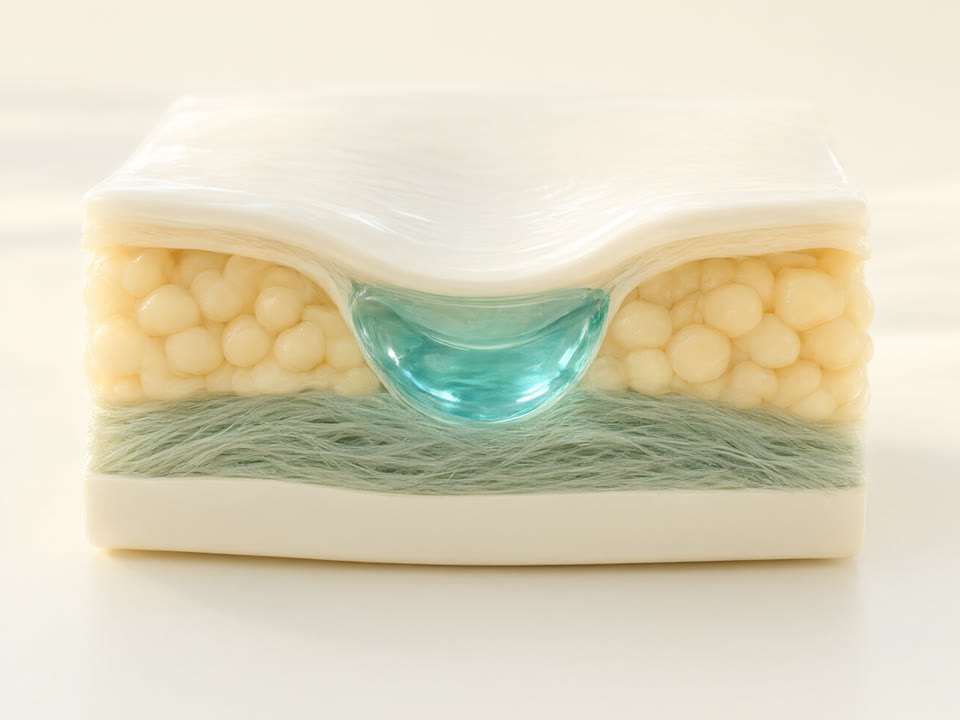
What it is
Mostly hyaluronic acid gels, made in different densities for different layers and jobs, to restore volume and structure.

Reviewed 28 Sep 2026 · Updated 24 Oct 2026 · Dr Ong Jin Khang · MMC 45245 · LCP holder · The Retreat Clinic, Setia Alam

Dermal fillers replace volume that the face has lost or that has shifted with time. Placed in the right amount, at the right depth, in the right place, they restore structure and proportion quietly. Placed carelessly, they distort, which is why every filler plan here starts with an assessment rather than a syringe count.
At a glance
What it is
Mostly hyaluronic acid gels, made in different densities for different layers and jobs, to restore volume and structure.
Who it suits
Flattened cheeks, a soft or recessed chin, the jawline, tear trough hollows, and folds that are volume-driven.
Not skin quality, pigment or laxity.
Sessions
One
Usually a single session, with the result judged at about two weeks.
Downtime
Little
Some swelling and occasional bruising for a few days.
Performed by

Dr Ong
Every filler treatment, after an assessment that decides whether filler is the right tool at all.
Timeline
How it works
Placed in the right amount, at the right depth, in the right place, filler restores structure and proportion quietly.

Hyaluronic acid gels are made in different densities for different layers and different jobs. Which product goes into your plan is decided at assessment.
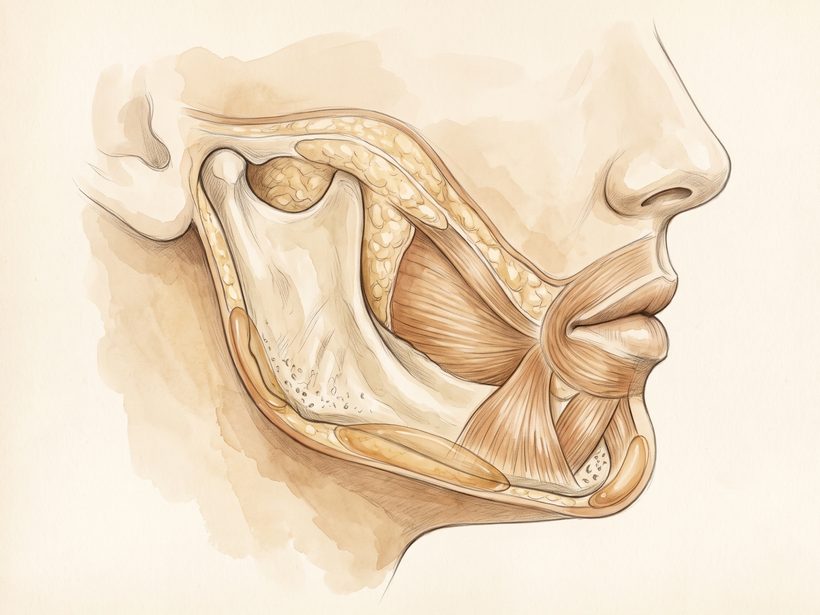
A firm gel placed deep, near bone, gives structural support and projection. A softer gel placed more superficially softens a line that has set at rest.
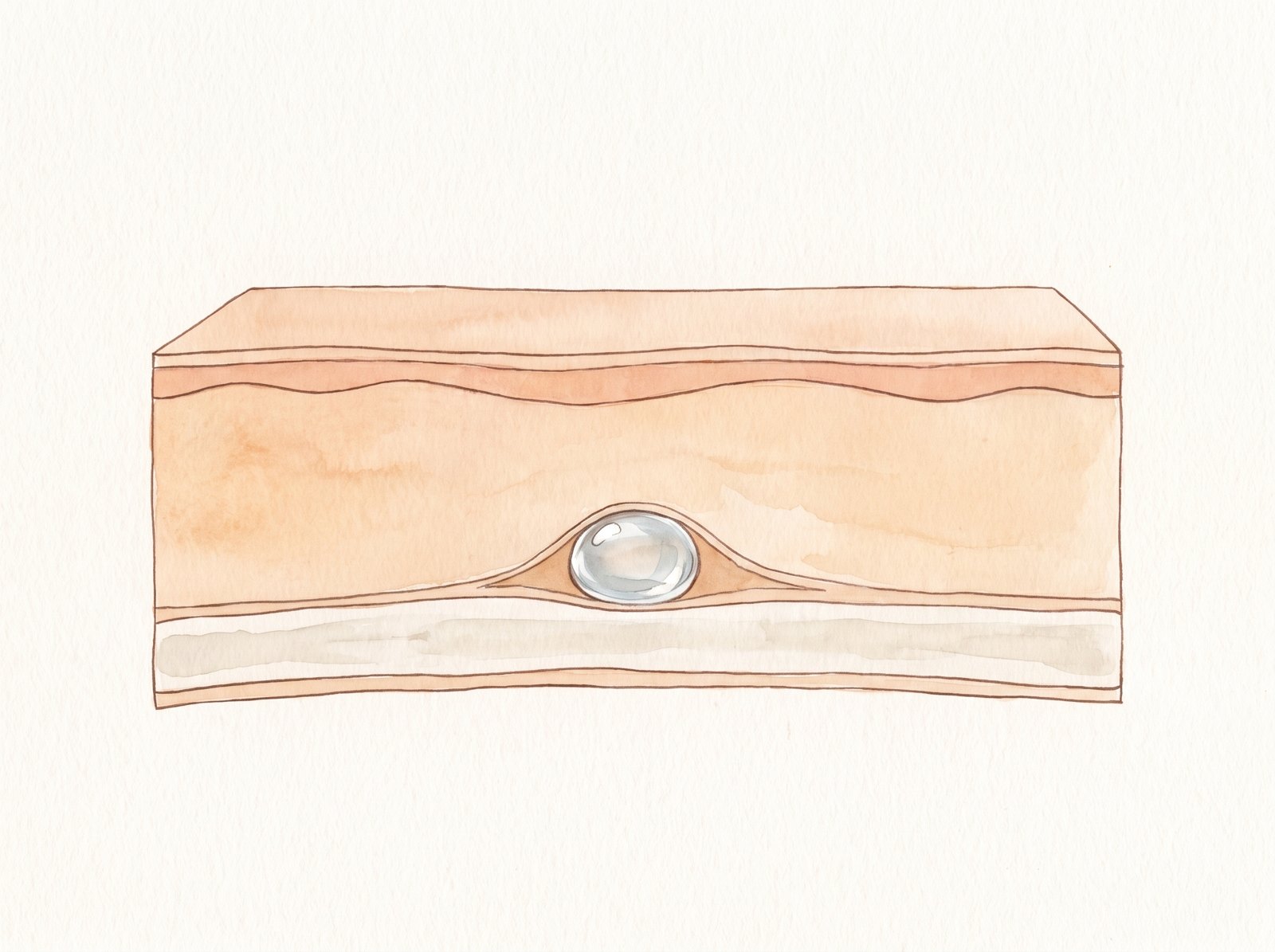
The result is visible immediately and settles into its final form over about two weeks. Hyaluronic acid can be dissolved with an enzyme if the result needs adjusting.
Who it suits
Filler is for what has been lost. Diagnosis decides what that is.
Compare
Which of the three fits your face is an assessment question, not a straight swap between them.
The full read
At The Retreat Clinic, Dr Ong Jin Khang (MMC 45245, LCP for aesthetic practice from the Ministry of Health) has been the only doctor since the clinic opened in Setia Alam in April 2013. He places every filler treatment at the clinic himself, after an assessment that decides whether filler is the right tool at all. He has performed dermal filler treatments since 2011, and the clinic has offered the treatment since it opened in 2013. He is a Sinclair accredited trainer for MAILI fillers and a certified trainer for IBSA, the maker of Aliaxin. He led an Aliaxin filler workshop for doctors in October 2024, shared his filler techniques at a MASM and Sinclair College workshop in October 2025, and was an invited APAC expert at the MaiLi launch in China in May 2025. His registration and LCP can be checked on the public registers: how to check them.
Most dermal fillers in modern practice are hyaluronic acid gels, made in different densities for different layers and different jobs. A firm gel placed deep, near bone, gives structural support and projection. A softer gel placed more superficially softens a line that has set at rest. Hyaluronic acid can also be dissolved with an enzyme if the result needs adjusting, and that reversibility is a large part of why it dominates the category.
The clinic carries several established, registered products across the category: hyaluronic acid ranges including Juvéderm, and collagen-based injectables such as Deusaderm where collagen work suits the face better. Which product ends up in your plan is decided at assessment, by layer, density and tissue. The brand on the box is the least interesting part of the decision. How the main filler brands differ is set out in the journal.
It helps to place filler among its neighbours. Botulinum toxin relaxes the muscle that folds skin into a line. Skinboosters and the skin quality protocols improve the surface itself. Biostimulators prompt the skin to build its own collagen slowly, over months. Filler does the one job the others cannot: it restores volume and structure where the face has lost them.
Restoring cheek projection that has flattened, defining a soft or recessed chin, refining a jawline, supporting tear trough hollows, and softening lines that remain at rest, such as deeper folds around the nose and mouth when they are genuinely volume-driven. The work is structural. Done well, it returns the face to a version of itself rather than rebuilding it into someone new. Lips are treated too: filler adds volume, refines the border and shape and softens fine lines around the mouth, as set out in lip filler: what it can do and what it cannot. So is the nose: filler can raise a low bridge, soften a dip or a small hump and lift the tip within limits, by adding volume only, and the nose calls for extra care, as set out in nose filler: what it can change, and why the nose needs extra care.
Filler earns its place where volume has genuinely been lost. A midface that has deflated changes how light falls across the whole face, and a small amount of well-placed support can undo more shadow than the millilitres suggest. A chin that sits behind the profile can be brought into balance with it. In each case the question at assessment is the same: what has been lost, where, and how little product will restore it.
Filler does not improve skin quality, texture or tone. It does not lift skin that has genuinely descended; laxity belongs to tightening devices or, honestly, to surgery. And volume is rarely the answer to a tired face when the tired face is a skin or light problem, which it often is. That last point is a common and expensive mistake in this category.
It follows that filler is the wrong treatment for some of the people who ask for it. Anyone whose real diagnosis is skin quality, pigment or laxity will spend money on volume and keep the problem. Anyone hoping to match a reference photo of another person is asking filler to change bone, which it cannot do. Anyone wanting a dramatic change in a single visit is describing a result this clinic deliberately does not produce. And some faces, particularly younger ones, need nothing at all, which we say plainly.
There are also standard medical reasons to defer or avoid treatment: active infection or inflammation near the injection site, pregnancy and breastfeeding, and a known allergy to a filler's components. The serious risk in the category is vascular, filler entering or compressing a blood vessel. It is rare, and managing it is a matter of anatomy, technique and the ability to dissolve hyaluronic acid quickly, which is one of the reasons filler belongs in a doctor's hands. What lumps, late swelling and dissolving mean after filler and what a doctor weighs before agreeing to filler cover the complications.
Filler done well is invisible. The patient looks more rested, more themselves on a good day, and nobody can place exactly what changed. Filler done poorly distorts proportion and produces a face that does not move naturally. The difference sits in diagnosis and placement rather than in the brand or the amount.
The most reliably over-treated faces I see are the ones where everyone agreed the goal was something natural.
Dr Ong's default is to do less, in the right place, and to build gradually only where the result genuinely needs more. Filler is also the treatment he most often talks patients out of, because the concern that brought them in frequently belongs to another tool, or to no tool at all. The most expensive filler is the one that answered the wrong question.
A session takes about thirty to forty-five minutes depending on the areas treated. Numbing cream goes on first, and the treatment itself tends to be more comfortable than patients expect.
There can be some swelling and occasional bruising for a few days. The result is visible immediately and settles into its final form over about two weeks, which is when it should be judged.
Every filler treatment at the aesthetic clinic in Setia Alam is performed by Dr Ong, after an assessment that decides whether filler is the right tool at all. If it is the wrong tool, the assessment says so before any product is opened. That assessment is held in person at the clinic in Setia Alam, Shah Alam, because a filler plan cannot be drawn up from a photograph.
Swelling, tenderness, bruising and small firm lumps are expected after filler, and they usually settle within days to a few weeks. In lip trials swelling was recorded in 78 per cent of people and bruising in 34 per cent. Side effects can also appear weeks, months or years after injection, and a lump on its own is usually not an emergency but needs review.
The serious risk is vascular, filler entering or blocking a blood vessel. It is rare, but it is a time-critical emergency.
Most reported cases of filler-related vision loss did not recover, no reliable rate exists, and technique lowers the risk without removing it.
Go straight to an emergency department, and say that you had filler, if skin near the injection site turns white, grey or blue, if pain is unusual, or if vision changes in any way. Signs of a stroke, such as sudden trouble speaking, a drooping face or a severe headache, are treated the same way, and the advice is not to wait and see. The full account is in Dermal filler risks in Malaysia: what a doctor weighs first, and late lumps are covered in Filler gone wrong: lumps, late swelling and dissolving, explained.
Filler injection, excluding silicone and fat, is on the Ministry of Health's list of minimally invasive aesthetic medical procedures, performed by a registered medical practitioner holding an LCP. The fillers themselves are regulated as medical devices, so the product should be on the Malaysia Medical Device Register; the regulation hub shows how to check it. Which aesthetic procedures the Ministry of Health says only a registered doctor may perform is set out in our explainer, and how to check an aesthetic doctor in Malaysia in the verification guide. How to weigh a doctor's experience with a treatment is set out in how to choose an experienced doctor.
Hyaluronic acid filler is priced per 1 ml syringe, and the number of syringes follows the plan, not a menu; the gel chosen for the area and the doctor's time in placement are inside that fee. The number for any one person is stated at consultation. How to read a filler fee, and what to ask any clinic, are on the cost guide.
Several established, registered products: hyaluronic acid ranges including Juvéderm, and collagen-based injectables such as Deusaderm where collagen work suits the face better. Which product goes into your plan is decided at assessment, by the layer being treated, the density the result needs, and your tissue. The brand on the box matters less than the placement and the dose.
Hyaluronic acid gels add volume and structure directly, and can be dissolved if needed. Collagen-based injectables work more on the quality and support of the tissue itself, and suit some indications, including selected under-eye cases, better than volume does. They are different tools, and the assessment decides which one fits.
Less than most people expect. Numbing cream is applied first, and most modern hyaluronic acid fillers carry a local anaesthetic within the gel, so discomfort eases as the treatment progresses. Expect pressure and the occasional sting; comfortable is the honest description.
It depends on the product, the area and how quickly your body breaks the gel down. As a broad rule, hyaluronic acid fillers last months to a couple of years rather than forever, with denser structural gels tending to hold longer than softer superficial ones. Dr Ong gives a realistic range for your plan at assessment rather than a blanket figure.
Done well, no. The aim is to look more rested and more yourself, with nobody able to place exactly what changed. The obvious, overfilled look comes from too much product or poor placement, and Dr Ong's default is to do less, in the right place.
Hyaluronic acid fillers can be dissolved with an enzyme if needed, which is part of why they dominate modern practice. That reversibility is a safety feature as much as an aesthetic one. Collagen-based injectables do not dissolve the same way, which is one factor in choosing between them.
Filler does not improve skin quality, texture or tone, and it does not lift skin that has genuinely descended. A tired-looking face is often a skin or light problem rather than a volume one, and treating it with more filler is a common and expensive mistake. Those problems have their own tools, from skinboosters to tightening devices.
Not much. There can be some swelling and occasional bruising for a few days, and most people go back to their day straight after the session. The result is visible immediately and settles into its final form over about two weeks.
Dermal fillers do work to restore volume the face has genuinely lost, such as flattened cheeks or a soft chin, when placed at the right depth and amount. Whether they answer what you are seeing in the mirror depends on the diagnosis behind it, which is why assessment comes before any injection.
Dermal fillers are usually placed in a single session, with the result judged at around two weeks once any swelling has settled. Whether a review or top-up is needed afterwards is decided at that follow-up, not sold in advance as a course.
Dermal fillers add volume and structure where the face has genuinely lost it, which is a different job from anti-wrinkle injections relaxing a muscle or biostimulators prompting the skin to build its own collagen. Which of the three fits your face is an assessment question, not a straight swap between them.
Dermal fillers are priced per syringe, and the fee is driven mainly by how many syringes the plan needs, which gel suits the area, and the doctor's time in placing it. There is no published price list; the figure is stated at consultation once that dose is known.
The products and principles are the same, but Dr Ong adjusts his injection technique slightly for Asian facial structure. The plan still follows your own face rather than a template.
Eighteen is the usual age for aesthetic treatment at The Retreat Clinic, but there is no fixed limit: whether a treatment suits someone depends on the reason for it. Anyone under 18 needs a parent or guardian to consent.
Very little about how a treatment behaves changes during Ramadan; what changes is mostly the calendar around the appointment, and the clinic offers evening appointments during the month for patients who prefer them. Whether fasting is observed, and what fasting permits, is a question for you and your own religious guidance, as the clinic offers no religious ruling, and what changes about aesthetic treatment during Ramadan sets it out.
Dr Ong Jin Khang performs every dermal filler treatment at The Retreat Clinic himself. He has performed dermal filler treatments since 2011, and the clinic has offered the treatment since it opened in 2013. He is a Sinclair accredited trainer for MAILI fillers and a certified trainer for IBSA, the maker of Aliaxin. He led an Aliaxin filler workshop for doctors in October 2024, shared his filler techniques at a MASM and Sinclair College workshop in October 2025, and was an invited APAC expert at the MaiLi launch in China in May 2025. He has been the clinic's only doctor since it opened in Setia Alam in April 2013; his Malaysian Medical Council registration (MMC 45245) and his Ministry of Health LCP for aesthetic practice can both be checked on public registers.
Disclosure: In 2022 Dr Ong was a key opinion leader for Botox for Allergan, which makes Botox, the Juvéderm range and CoolSculpting, and he has spoken for Allergan on botulinum toxin and at the CoolSculpting launch in Manila (2019). Dr Ong is a certified trainer for IBSA, which makes Profhilo and Aliaxin, and received the 2025 IBSA Key Opinion Leader Award in September 2026. Dr Ong is a Sinclair accredited trainer for MAILI fillers, and in 2026 Sinclair, which also makes Ellansé, gave him its APAC KOL Trainer 2025 award and the clinic its MAILI Founding Partner Award. How he thinks about ties like these: The quiet we kept: what shapes what your doctor recommends.
In person, with Dr Ong. Skin and concerns are assessed. The right course is recommended, which may or may not include dermal filler treatments.
小红书 · RED
Retreat 美学思路

扫码关注,或在手机上点下方按钮 · Scan, or tap below on your phone
在小红书打开 · Open in RED小红书号 / RED ID 5334997396
Type a word or two. For example: