
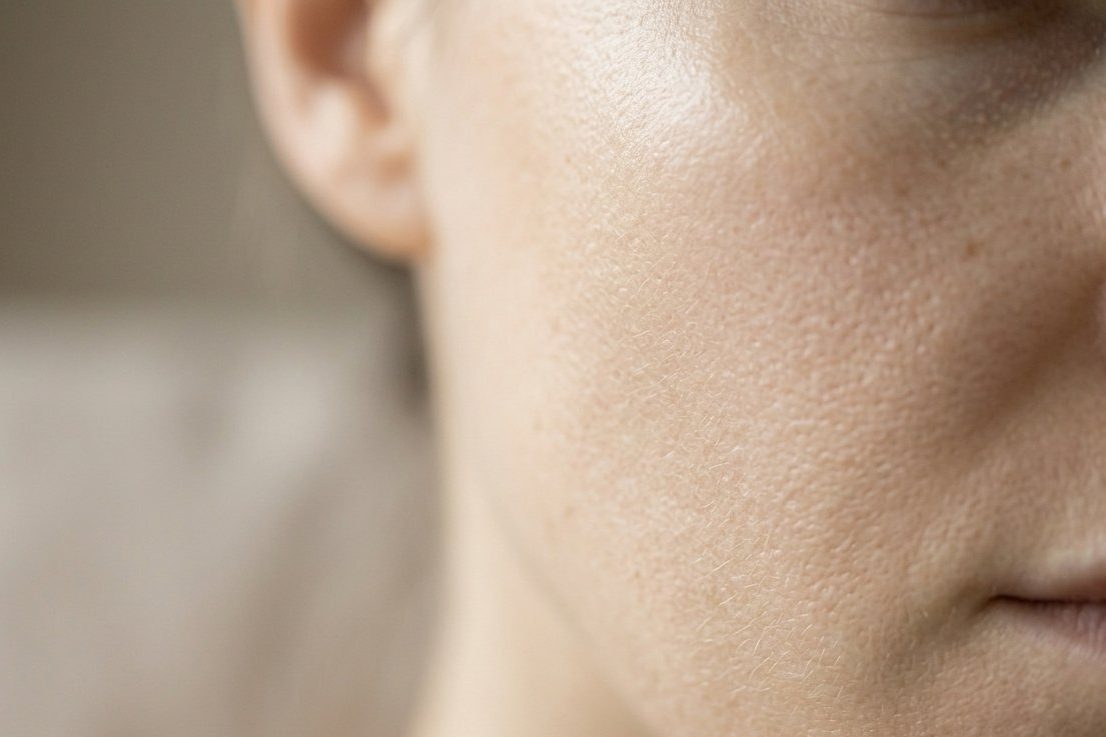
What a tired face actually is
When someone says they look tired, they usually mean the face has lost a little freshness. The eyes seem heavier, the skin looks flatter, and the whole face sits lower than it used to. Three things tend to drive this: the quality of the skin itself, the way light falls across the face, and the underlying structure that holds everything up.
Each of those is a different problem with a different answer. None of them is the same as losing volume in one spot, which is the thing filler is actually designed to solve.
Why reaching for filler can backfire
Used well, in the right place and in small amounts, filler can restore support that has genuinely softened. Used to chase a tired look that is really about dull skin or shadowing, it adds weight without adding freshness, and the face can end up looking heavier rather than more rested.
This is how faces slowly drift into looking done. It happens gradually, by answering a skin or light problem with volume, again and again.
What usually helps instead
When the issue is skin quality, the useful work is on the skin: texture, hydration and tone, through treatments chosen for that purpose. When it is shadowing under the eyes, the cause decides everything, because hollowing, pigment and thin skin are each treated in very different ways. When it is structure, a small and precise amount of support in the right place can do more than a larger amount spread around.
Often the best outcome comes from a smaller combination of the right things, chosen for your face.
The point
A tired face is a starting question, not a finished diagnosis. The work at a consultation is to find which of these is actually driving it for you, and to treat that. Sometimes the most useful advice is to do less than expected, and to begin with the skin.